
Successful Custom Facial Implant Surgery Outcomes
A successful custom facial surgery outcome is usually the result of many different factors working together—not just the surgery itself. While technical skill is obviously important, the best facial surgery results come from a thoughtful combination of careful analysis, individualized planning, artistic judgment, and good healing. In aesthetic facial surgery, custom facial implants included, successful outcomes tend to share a dozen important characteristics.
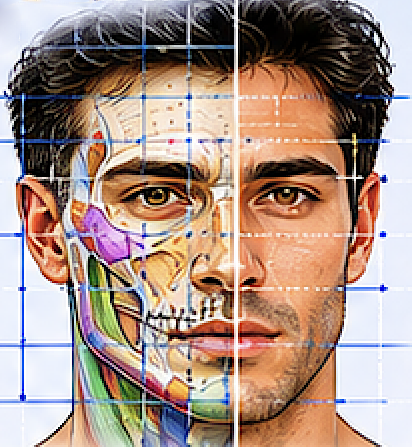
1. The process begins with accurate diagnosis and analysis. Before any procedure is considered, it is important to fully understand the patient’s anatomy and identify the real underlying issues that are contributing to the appearance concerns. This includes evaluating the skeletal structure, soft tissue volume, skin quality, facial asymmetries, aging changes, and overall facial proportions. Just as important is recognizing what surgery can realistically improve and what its limitations may be. Good outcomes start with an honest and accurate assessment.
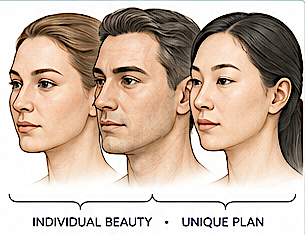
2. Another essential component is creating an individualized surgical plan. No two faces are alike, and successful facial surgery should never follow a “one-size-fits-all” approach. Surgical plans need to be customized to the patient’s anatomy, age, gender, ethnicity, and aesthetic goals. The objective is not to make someone look like another person, but rather to enhance their own natural features while preserving their identity. The best results respect the uniqueness of the individual rather than imposing a standardized appearance.
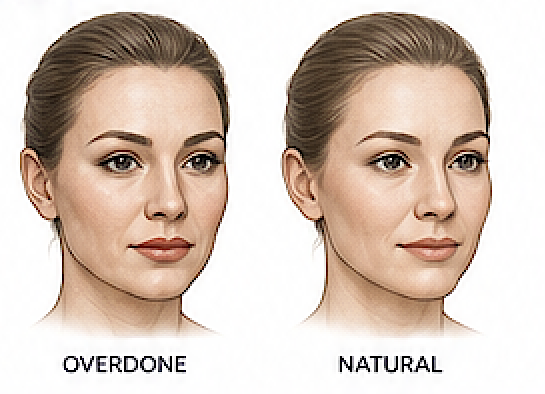
3. Natural appearance is one of the most important goals in facial surgery. A successful outcome should still look like the patient—just improved, refreshed, or more balanced. Ideally, people notice that the patient looks attractive, rested, or rejuvenated without immediately recognizing that surgery has been performed. Overdone results, whether from excessive tightening, overfilling, or aggressive tissue removal, tend to look artificial and age poorly over time. Preserving natural facial movement and expression is critical.
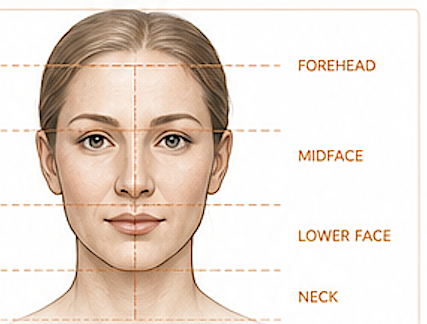
4. Facial harmony and balance are also central to a good result. Facial aesthetics are rarely about one isolated feature; instead, they depend on how all of the facial elements relate to one another. This includes the relationship between the forehead, nose, chin, jawline, lips, and neck. A well-balanced face has proportional relationships that work together harmoniously. Often, improving one area of the face may require considering surrounding structures to achieve the most natural overall appearance.
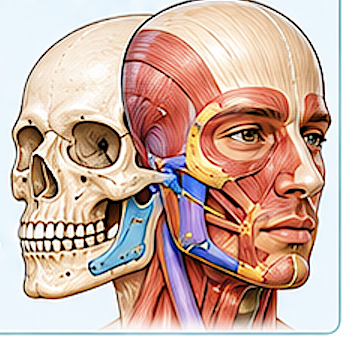
5. Strong structural support is another major factor in achieving durable and natural outcomes. Long-lasting facial surgery depends on preserving or rebuilding underlying support mechanisms when needed. In many cases, this means repositioning deeper tissues properly rather than simply tightening skin. Stable skeletal or cartilage support is especially important in procedures such as rhinoplasty, jaw surgery, eyelid surgery, and custom facial implant surgery. Good structure provides both aesthetic improvement and long-term stability.
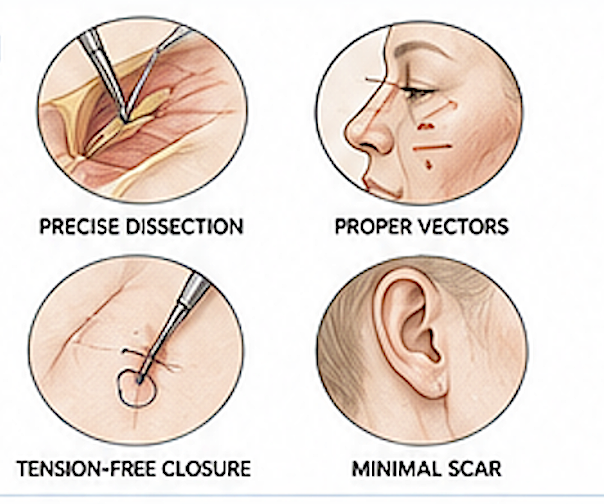
6. Technical precision plays a huge role in the quality of the final result. Successful surgery requires meticulous tissue handling, careful dissection, proper vector control, tension-free closure techniques, and preservation of blood supply. Attention to small details—such as subtle asymmetries, contour transitions, and scar placement—can make a major difference in how natural and refined the final outcome appears. Often, the difference between a good result and an exceptional one lies in these finer technical details.
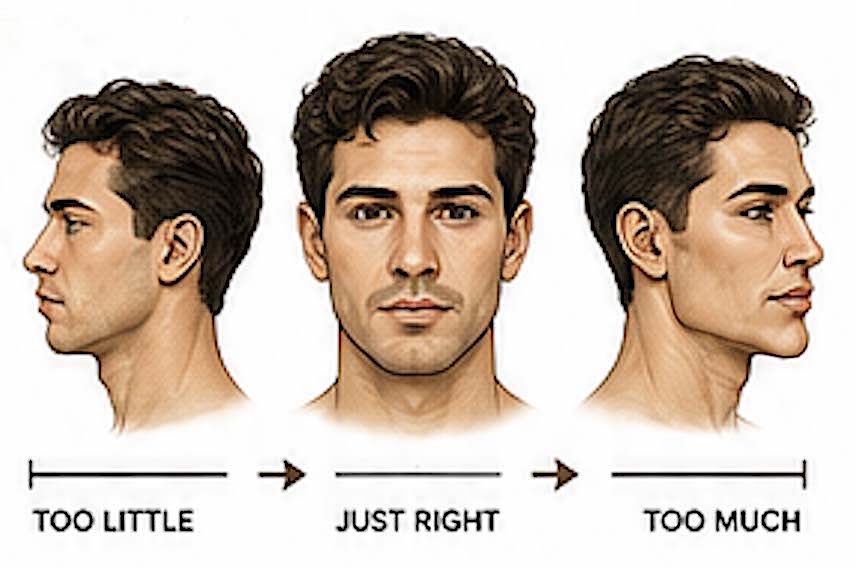
7. One of the more challenging aspects of facial surgery is determining the appropriate degree of change that the patient will tolerate. The goal is usually improvement rather than dramatic transformation. Good results enhance facial features without exaggeration and remain believable for the patient’s age and personality. Trying to achieve “perfection” often leads to unnatural outcomes. Subtlety and restraint are frequently what create the most attractive and enduring results.
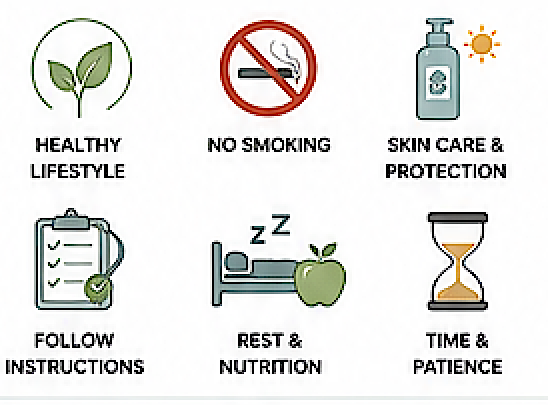
8. Good tissue healing is another important part of the equation. Even excellent surgery can be negatively affected by poor healing characteristics. Factors such as skin quality, smoking status, genetics, scar biology, swelling tendencies, and adherence to postoperative instructions all influence the final result. Healing is a partnership between the surgery itself and the patient’s biology and postoperative care.

9. Psychological alignment is equally important. A patient’s expectations, motivations, and emotional outlook can significantly affect satisfaction with the outcome. The best candidates typically have realistic expectations, understand the limitations and tradeoffs involved, and are seeking refinement rather than complete transformation. Healthy self-image and emotional stability are important components of a positive surgical experience.
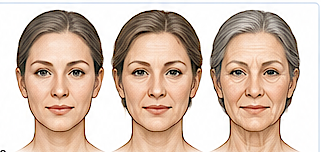
10. Longevity should also be considered when evaluating a successful outcome. High-quality facial surgery should age gracefully over time. Durable structural changes, preservation of natural anatomy, and avoidance of overly aggressive tissue removal help ensure that results continue to look appropriate and natural years later. The best outcomes often remain aesthetically pleasing even five to fifteen years after surgery.
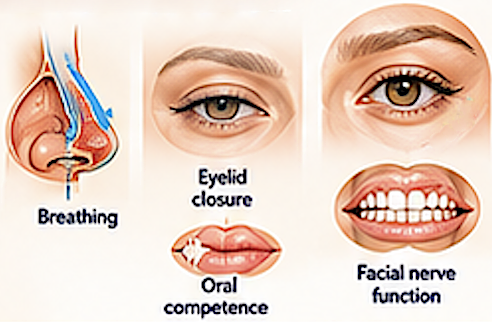
11. Preservation of function is another key principle. Cosmetic improvement should never significantly compromise normal facial function. Breathing, eyelid closure, oral competence, sensation, facial nerve function, and facial movement must all be protected. A result that looks good but impairs function is never considered truly successful surgery.
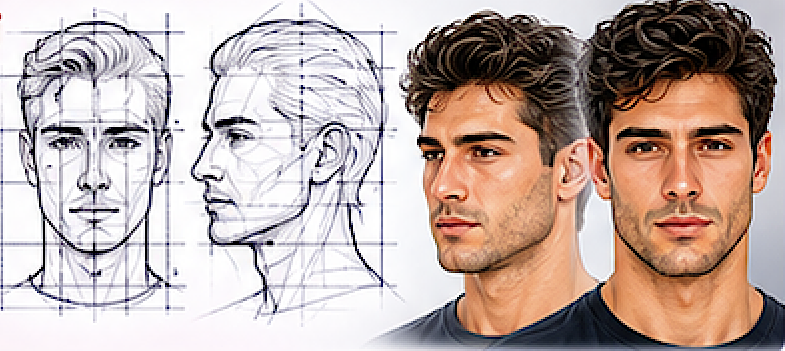
12. Lastly artistic judgment is what ties everything together. Facial surgery is both a science and an art form. Strong outcomes depend not only on technical expertise, but also on an understanding of beauty, proportion, symmetry, and facial dynamics. Experienced surgeons develop the ability to recognize subtle imbalances, appreciate ethnic and gender differences, and know when surgery is—or is not—the right choice. The face must be understood as a living, expressive structure rather than just a collection of static features.
In many ways, the best custom facial implant surgery outcomes are the ones that do not obviously look overtly surgical. Instead, they simply allow the patient to look more balanced, facial third proportionate, more defined facial features and more confident= looking like themselves but a better version.